
Insights from Prof. Christian Happi and the Institute of Genomics and Global Health
The question hanging over global health security is no longer a matter of “if” but “when”. As Prof. Christian Happi, Director of the African Centre of Excellence for Genomics of Infectious Diseases (ACEGID), pointedly remarked in a recent France 24 perspective, “It’s not if there will be another pandemic, but when.” In an interconnected world where pathogens do not carry passports, the interval between the first spillover and a global crisis is shrinking. To protect the world’s health, we must shift from a reactive posture to a proactive one. This shift is powered by one essential tool: real-time genomic surveillance.
From Delayed Responses to Real-Time Action
For decades, the narrative of disease surveillance in Africa was defined by external dependence. During the GESDA fireside chat, Prof. Happi recalled a sombre reality from the 2014 Ebola outbreak: samples were often flown out of the continent for analysis, with results arriving “two years after” an outbreak that had already “killed almost everybody”.
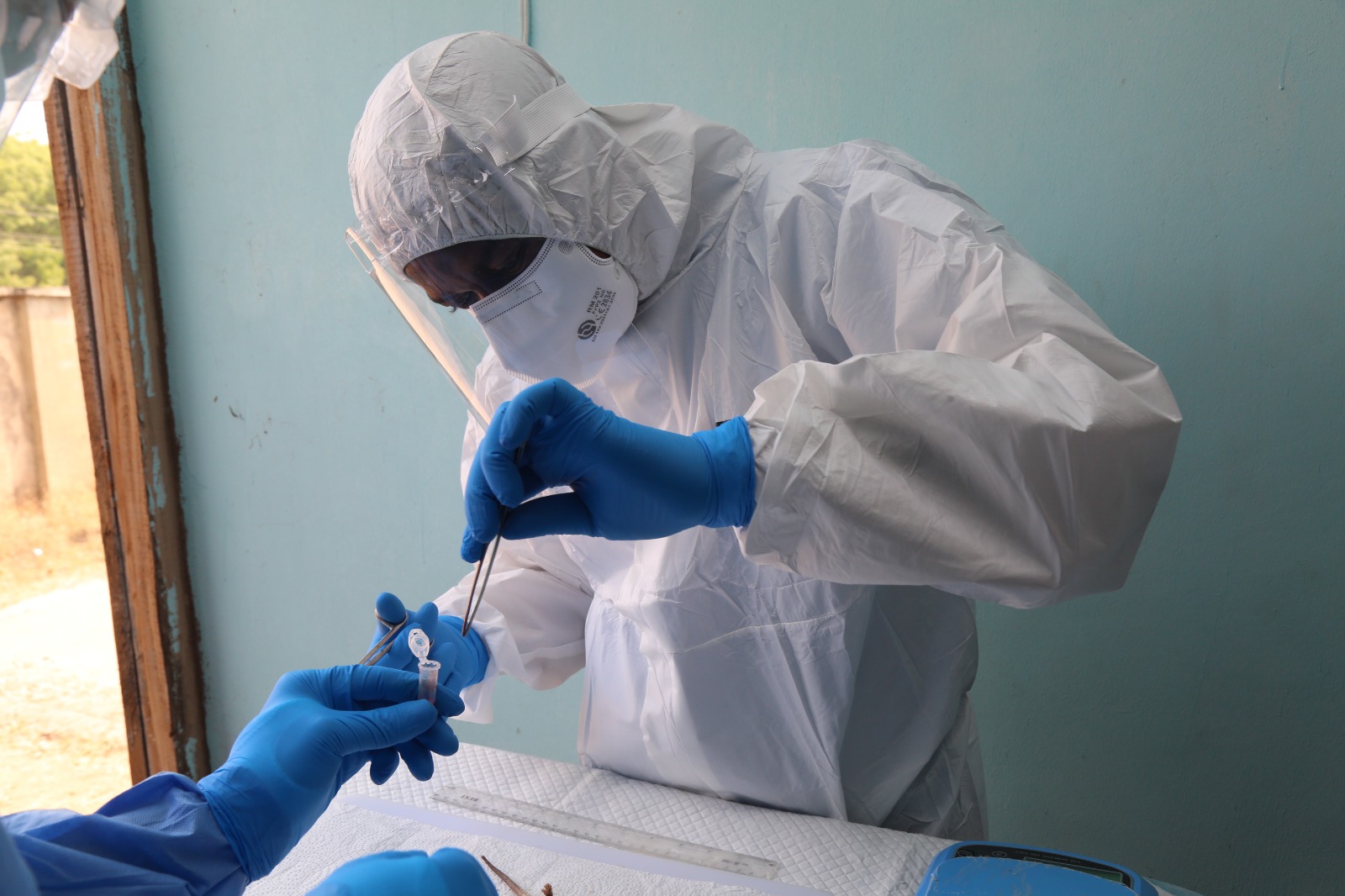
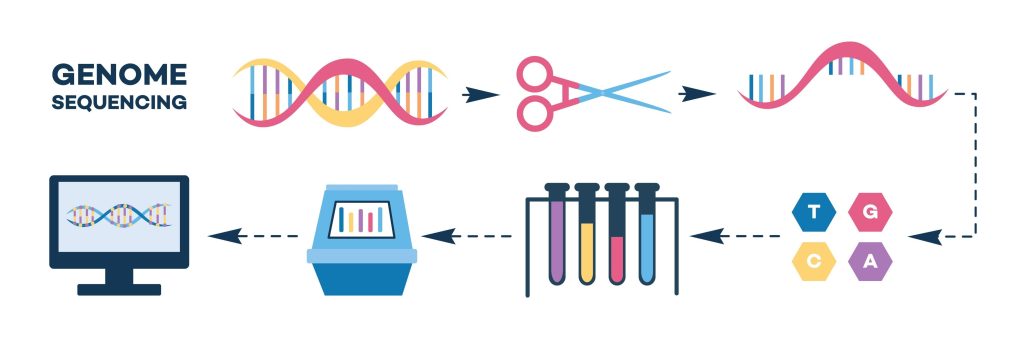
That delay was a death sentence. Today, the script has been flipped. By leveraging genomic tools on the ground, teams can now pinpoint exactly how a virus enters a population, track mutations in real-time, and develop rapid diagnostic tests within days. This transition from “outsourced science” to “local leadership” has proven to be the life-saving difference in containing threats before they cross borders.
The Sentinel Model: Speed, Accuracy, and Trust
At the heart of this defence is the Sentinel project, a collaboration between the IGH and the Broad Institute. As Prof. Happi explained during a Global Health Hub conversation, Sentinel is built on three pillars: real-time genomic surveillance, open data sharing, and translational research.
The results speak for themselves:
- SARS-CoV-2: African scientists sequenced the virus within 48 hours of the first confirmed case on the continent.
- Ebola: Rapid containment in Lagos prevented a potential urban catastrophe.
- Marburg & Mpox: Swift genomic identification supported targeted interventions in Rwanda and beyond.
However, a tension remains. While the technology is proven, the scale is not yet universal. The challenge lies in moving from successful “pockets of excellence” to a continent-wide infrastructure that can withstand the next Big One.
Surveillance as Sovereignty
The push for genomics is about more than just biology; it is about equity and ownership. When the MacArthur Foundation announced its support for Sentinel, Prof. Happi noted, “This investment affirms that solutions to global health challenges can be led from Africa.”
By training over 3,000 health workers across 53 African countries, the mission transcends technical data. It is about building a “trusted research environment” where African scientists lead the narrative. Given that Africa holds approximately 70% of pathogens with pandemic potential, the continent’s ability to monitor its own landscape is a matter of global security.
A Call to Global Vigilance
As funding for global health faces potential cuts, the “many hands” required to manage emerging diseases are falling away. We cannot afford to let our guard down.
The vision of the Institute of Genomics and Global Health is clear: we must invest in scaling real-time surveillance and African-led capacity today to avoid the astronomical costs of a pandemic tomorrow. Protecting the world’s health is a collective responsibility, but the frontline begins with the data, the speed, and the leadership emerging from Africa.