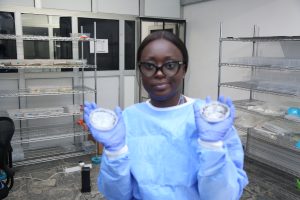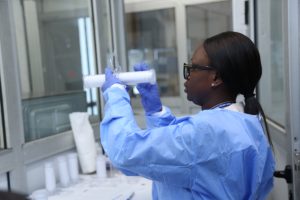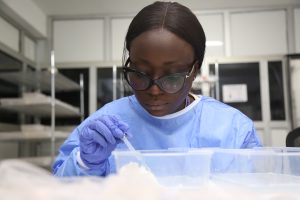

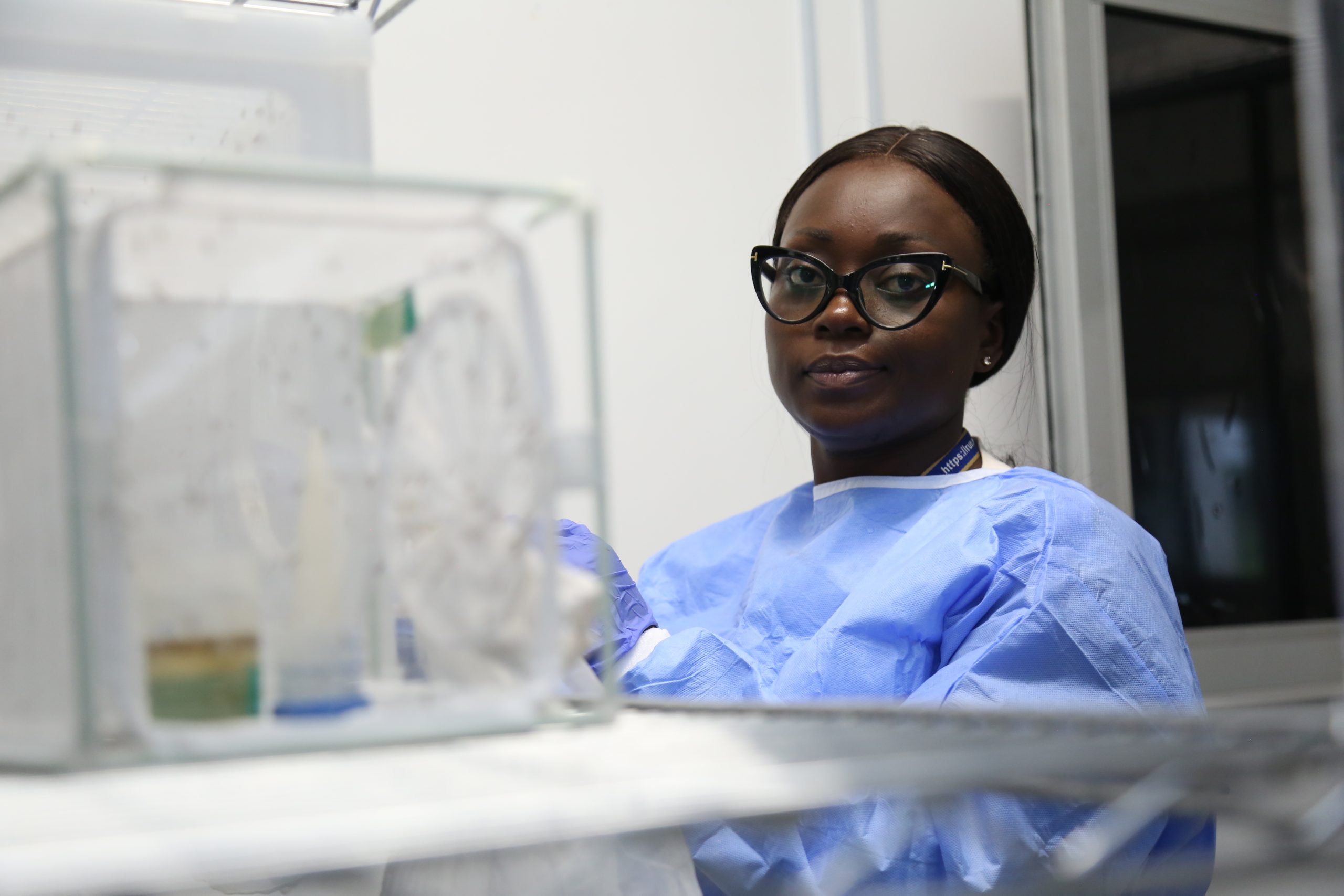
In this edition of our Spotlight Series, we feature Dr. Lynda BOUSSOUGOU, a Postdoctoral Fellow at the Institute of Genomics and Global Health, whose journey into entomology was driven by curiosity, courage, and a desire to contribute to a field where women remain underrepresented.
What first sparked your interest in this field?
My interest in entomology was partly motivated by the low representation of women in the field. At the time, I did not have a clear vision of where this path would lead or what the career opportunities were, but I was driven by curiosity and a desire to contribute to an area where female representation remains limited.
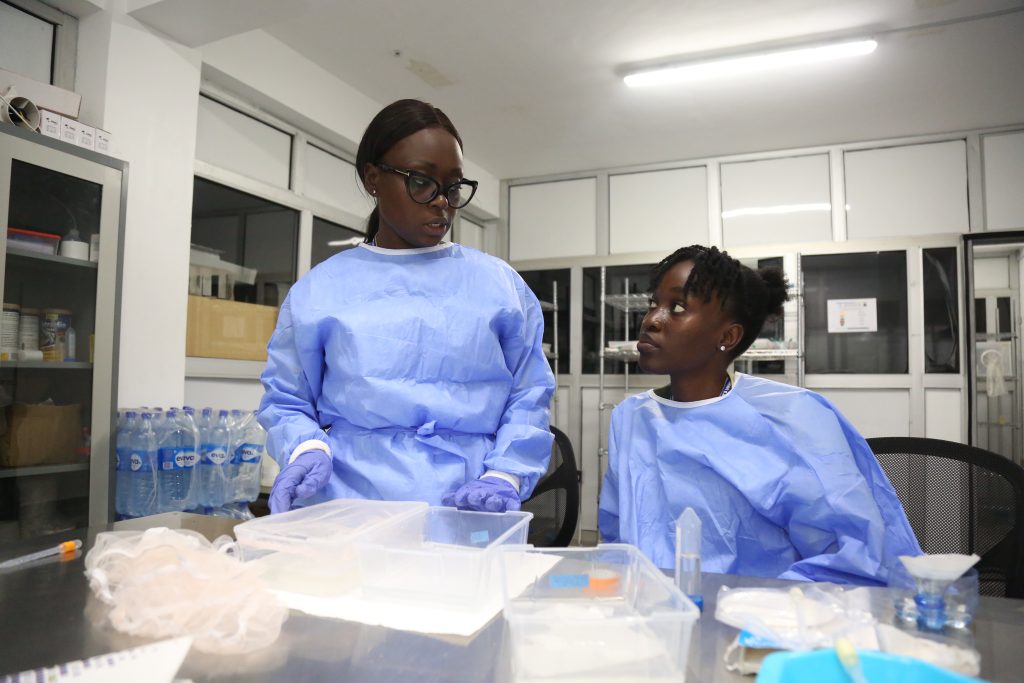
How did your journey lead you to IGH?
After completing my Ph.D., I was actively searching for a postdoctoral position when I learned about an opportunity through a professor in the United States. I applied and was later invited to interview with the Director of the Centre, Prof. Christian Happi. A few months later, I received official confirmation that I had been selected for the position. I was truly delighted by the opportunity to join the institution.
What problem is your current work trying to solve?
My current research focuses on improving vector control tools to help reduce the prevalence of malaria in Nigeria.
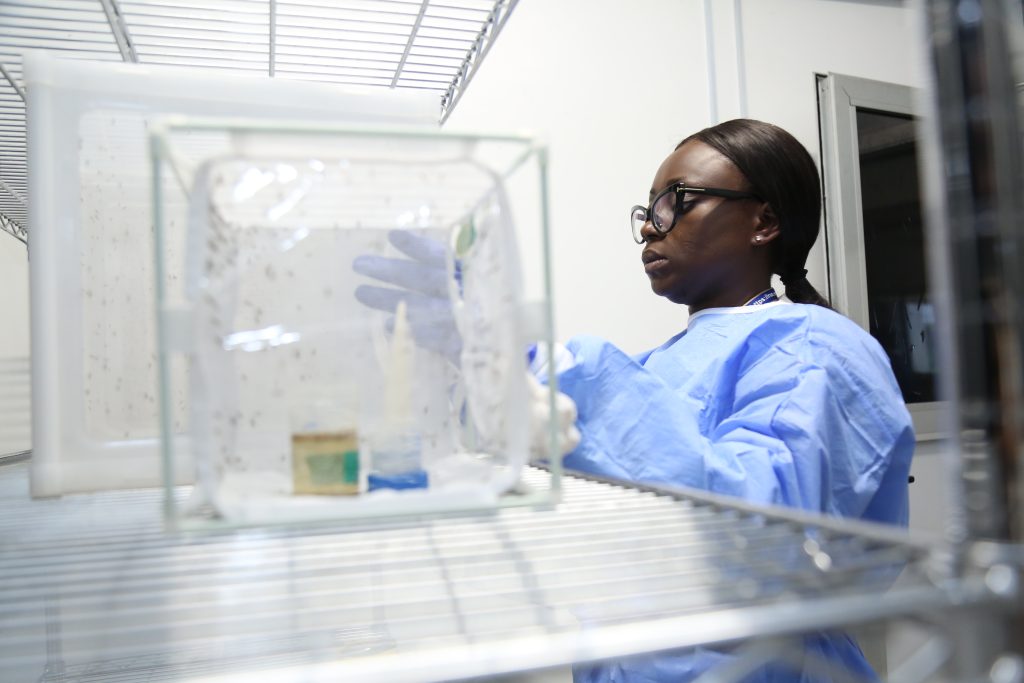
Why does this work matter for communities and public health?
This work is critical for communities and public health because it helps ensure malaria control strategies remain effective. It supports the adaptation of interventions, protects vulnerable populations, and contributes to sustainably reducing malaria transmission.
What has been one major challenge in your journey?
One of the biggest challenges has been balancing professional responsibilities with personal life, ensuring that neither is neglected.
What achievement are you most proud of so far?
Successfully defending my Ph.D., despite numerous challenges, remains my greatest achievement. It marked a significant milestone in my academic journey.
What advice would you give to young scientists?
I would encourage young scientists, especially women, to believe in themselves and avoid creating mental barriers. Gender should never limit our potential in science. With confidence and perseverance, we can achieve great things.
What excites you most about the future of your field?
I am particularly excited about emerging, cutting-edge techniques such as gene drive, which have the potential to introduce additional interventions that complement existing malaria control strategies.
Through resilience, innovation, and dedication, Dr. Lynda BOUSSOUGOU represents a new generation of scientists strengthening malaria control efforts and expanding opportunities for women in science.