
For many Lassa fever survivors, recovery does not mark the end of illness. Long after the acute infection, individuals and families continue to face lasting complications, most notably sensorineural hearing loss (SNHL), which affects quality of life, livelihoods, and social inclusion. Across Nigeria and the wider region, the true scale of this burden and the biological factors driving it remain poorly understood.
The Problem
While significant progress has been made in managing acute Lassa fever, far less attention has been given to what happens after survival. Patients often leave treatment centres without clear pathways for long term care, and health systems lack the data needed to guide screening, follow-up, and intervention. This gap leaves survivors vulnerable and limits the ability of policymakers and clinicians to respond effectively.
The Plan
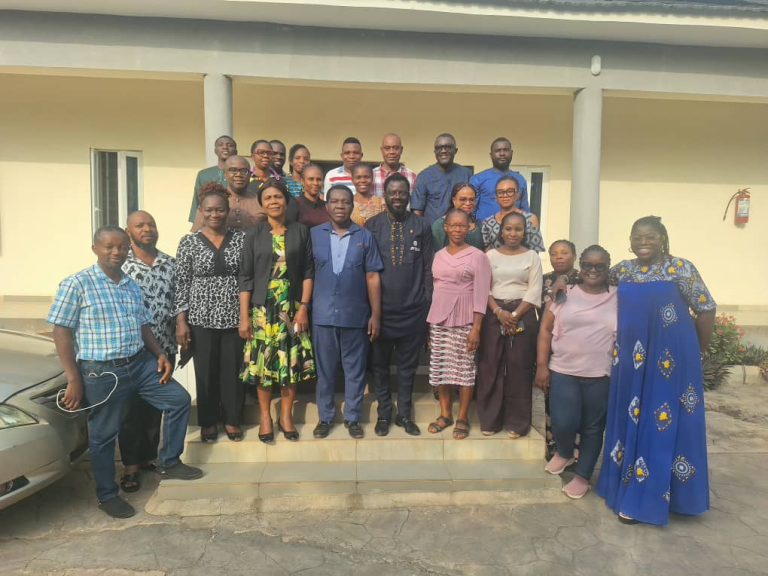
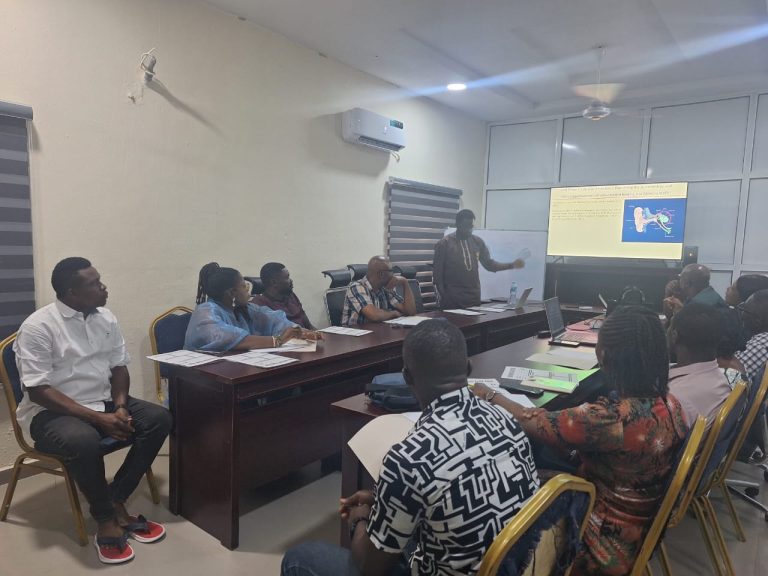
On 25 January 2026, researchers activated the LALEF project, Life after Lassa Fever: Elucidating the Epidemiology and Immunopathogenesis of Sensorineural Hearing Loss, at the Alex Ekwueme Federal University Teaching Hospital (AE-FUTHA). Led by Dr Chinedu A. Ugwu, Senior Researcher at the Institute of Genomics and Global Health (IGH), the project brings together clinical, epidemiological, and immunological expertise to address a critical but underexplored consequence of Lassa fever.
LALEF aims to define the burden of sensorineural hearing loss among Lassa fever survivors and identify the factors that give rise to it. By generating robust evidence, the project will inform clinical follow-up, guide health system planning, and support the development of strategies to improve survivor care.
Partnership and Commitment
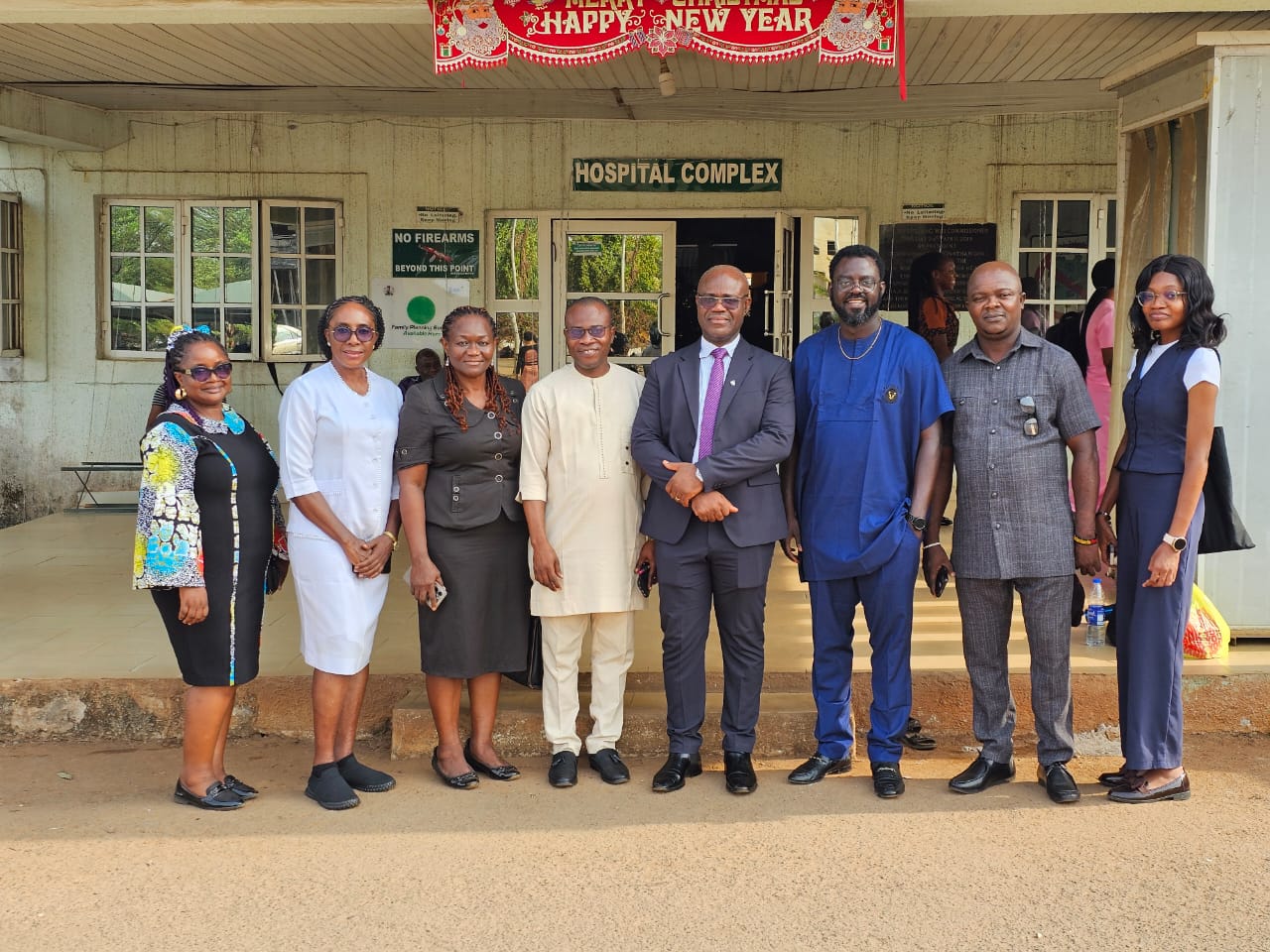
The research team received a warm welcome from AE-FUTHA, with the Chief Medical Director, Prof. R. C. Onoh, assuring full institutional support for the project. The work is supported by the African Academy of Sciences (AAS), the Bill and Melinda Gates Foundation, and Fogarty NIH, with strong institutional backing from IGH and Redeemer’s University.
Conclusion
Success for LALEF means clearer pathways for survivor care, evidence-based screening for hearing loss, and stronger integration of post infection outcomes into Lassa fever control strategies. Inaction risks leaving survivors unheard with gaps in care, long after outbreaks subside.